Nigeria, often hailed as the “Giant of Africa,” sits on vast reserves of untapped potential, making it a focal point for investors and visionaries alike. With abundant natural resources, a young and dynamic population, and a strategic geographical location, the country’s future looks promising. Yet, amidst discussions surrounding technology, mineral wealth, and export potential, one key sector remains under-appreciated: the power sector. As the backbone of industrialisation, the power sector holds the key to unlocking Nigeria’s commercial and industrial future.
The Power Sector: The Cornerstone of Development
While Nigeria’s demographic and resource wealth provide strong foundations, the consistent and reliable supply of energy is critical to transforming these advantages into real economic growth. Historically, advanced nations did not achieve progress purely through technology or natural resources; it was the prioritisation of energy provision to power industries that set them apart.
In Nigeria, the power sector has long lagged behind in terms of infrastructure development, leading to bottlenecks in industrial output. A closer examination reveals that without sufficient energy capacity, large-scale industrialisation remains out of reach. It is this sector—often overshadowed by more high-profile industries like oil and gas—that deserves immediate attention. The provision of reliable power is not just an enabler; it is the engine that will drive sustainable growth.
Navigating the Complexities: A Financial Perspective
From a financial standpoint, embarking on large-scale grid-based power projects in Nigeria presents several challenges. My experience in financing infrastructure projects has highlighted the need for careful navigation through layers of complexity—financial constraints, regulatory hurdles, and technical issues—all of which converge to form significant barriers for investors.
The key question for potential investors is whether these power projects are “bankable.” This evaluation extends beyond the usual business considerations of cost and scale; it requires a thorough analysis of factors like consumer tariffs, payment collection methods, and the purchasing power of end users. Securing the backing of financiers—whether through banks or private equity—necessitates that projects are commercially viable, but these often hinge on deeper structural reforms in Nigeria’s energy sector.
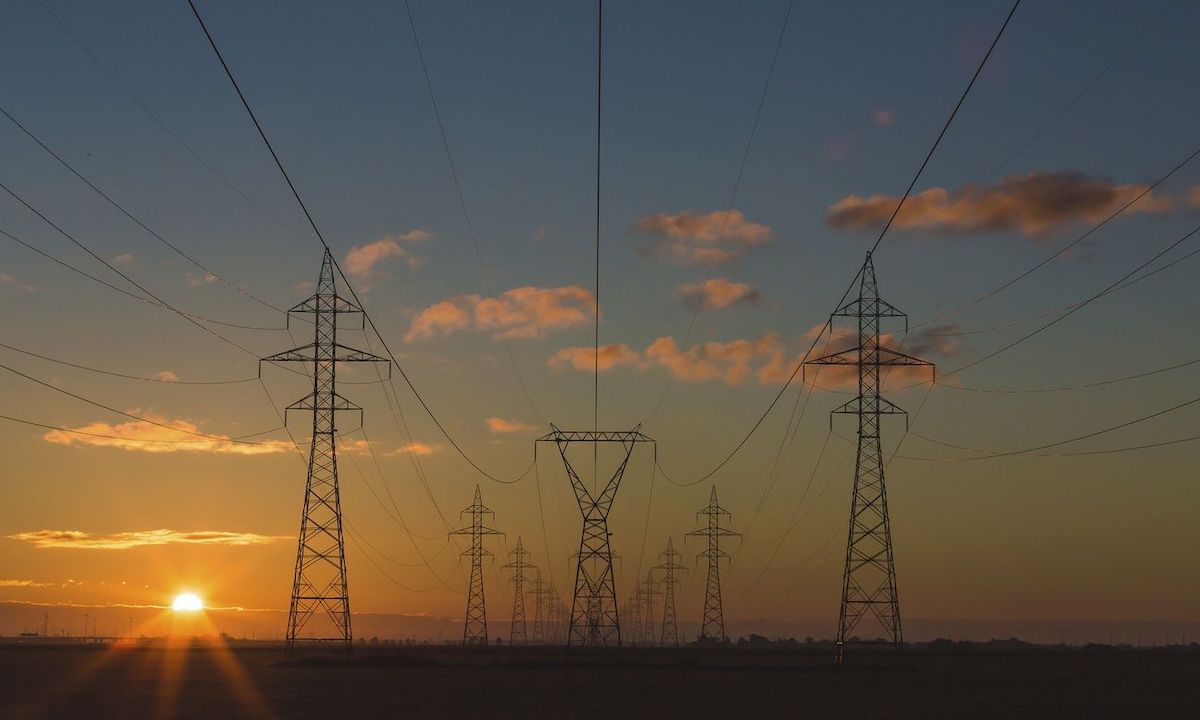
“Targeted power investments in industrial clusters can generate phenomenal growth, facilitating long-term job creation and driving industrialisation.“
Mitigating Investment Risks: Sovereign Guarantees and Beyond
Traditional wisdom suggests that investing in Nigeria’s national grid could lead to significant economic development and industrialisation. However, despite a power demand of 600 terawatt-hours (equivalent to powering 216 million homes), many signed Independent Power Projects (IPPs) remain unrealised. This gap highlights the need for a new approach, as conventional on-grid solutions have struggled to overcome the complex web of challenges they face.
One key issue is the reliance on foreign investment, often denominated in US dollars, which introduces currency risks and political volatility into the equation. For many Nigerian consumers, the cost of power remains prohibitively high, creating further complications when it comes to servicing foreign debt obligations tied to power projects. Risk mitigation tools like sovereign guarantees and Power Contract Offtake Agreements (PCOAs) have been employed to reduce exposure, but these carry financial implications for the nation’s balance sheet, potentially impacting its credit rating.
Given these hurdles, a growing trend among developing nations, including Nigeria, is to cautiously manage financial obligations, carefully balancing short-term needs with long-term sustainability.
A New Paradigm: Empowering the Commercial and Industrial Sectors
It’s time to shift focus towards the commercial and industrial (C&I) sector, which offers a more sustainable pathway to driving Nigeria’s economic growth. History teaches us that no industrialised nation has achieved development solely by powering homes. It was the provision of energy to industry that fuelled employment, increased consumer purchasing power, and ultimately paved the way for widespread electrification.
The C&I sector, characterised by stable energy demand and robust purchasing power, stands as the cornerstone of Nigeria’s future energy strategy. Targeted power investments in industrial clusters can generate phenomenal growth, facilitating long-term job creation and driving industrialisation. By providing consistent power to businesses and industries, Nigeria can spur economic empowerment, achieve energy autonomy, and bolster its position in the global market.
Immediate Gains, Long-Term Vision…
During a recent trip to India, President Bola Ahmed Tinubu GCFR secured a $1.6 billion commitment from a consortium of investors to boost Nigeria’s power sector. Redirecting these funds towards the C&I sector could yield immediate results, creating a fertile environment for local industries to flourish and attracting further investment from both local and foreign markets.
Beyond the short-term gains, however, lies a broader vision. A thriving C&I sector has the potential to reshape Nigeria’s entire energy landscape, providing the momentum needed to build a resilient, grid-based power system. By 2030, Nigeria’s projected power demand will reach 708 terawatt-hours—far exceeding current capacity. Meeting this demand is not just an infrastructural goal; it is a catalyst for job creation, economic vitality, and increased household incomes. As the industrial sector expands, so too will the nation’s capacity for future infrastructure investment, driving sustainable, long-term growth.
The Road Ahead: Pioneering Prosperity
Nigeria’s future lies in its ability to harness the energy demands of the C&I sector to unlock the nation’s full potential. However, to succeed on this pathway, collaboration is key. The private sector must leverage its expertise to drive innovation, while government agencies need to follow the lead of President Tinubu by creating streamlined processes and offering clarity, efficiency, and transparency.
Nigeria’s resurgence is contingent upon the collective will of its people, businesses, and government to innovate and seize this unique moment in time. By embracing a new paradigm of energy provisioning, focusing on the C&I sector, and fostering collaboration, Nigeria will awaken its latent potential as the true Giant of Africa.